CAA 113th Annual Conference New York City February 12–15, 2025
Co-Chairs: Shannon Bewley, Boston University; Chloë L Courtney, The Institute of Fine Arts, New York University
This panel examines the role of Indigeneity as an underacknowledged subtext for postwar aesthetic discourses in the Americas. Although this phenomenon has multiple points of origin, many artists working in the 1960s to the 1980s turned toward archaeologist George Kubler’s framework of irreducible “prime models,” a concept that flattened cultural difference and context in search of the collective unconscious. Far from replicating blatant stereotypes, settler artists like Olga de Amaral, Sheila Hicks, Robert Smithson and Charles Simonds blended signifiers of various cultures of the Americas into works channeling this supposedly “timeless and mystical” Indigenous authenticity. Meanwhile, Indigenous artists responded to this primitivizing discourse through a range of strategies–from Jaune Quick-to-See Smith’s formal exploration of loaded symbols to James Luna’s pointed performances of cultural stereotypes.
Scholars like Philip Deloria, Paul Chaat Smith, and Diana Taylor have analyzed the phenomenon of “playing Indian” but relatively little art historical scholarship has addressed how settler artists have conflated and complicated Indigenous materials, processes, and imagery into a universal source for creativity. We invite papers that explore artists’ desires for cultural authenticity, constructions of Indigeneity, and/or their strategic negotiation of cultural expectations around marginalized identities. This panel sits at the intersection of visual culture, art history, and Indigenous studies, and will explore perceptions and reflections of “Indigeneity” in art produced by both settler and Indigenous artists of the twentieth century.
Angela Brown, Princeton University “Rehearsing the Body-Made: Backstrap Looms at Black Mountain College”
Marisol Villela Balderrama, Northwestern State University of Louisiana “China Reconstructs: Reception in the Americas of Indigenous Art from China”
Kerry Doran, The Graduate Center, CUNY “Hippie Entrepreneur Indian Chief: Stewart Brand, the Whole Earth Catalog, and Indigeneity”
Sydney Barofsky, University of Illinois Chicago “Fusing Body Fusing Commodity: Exploring Agency in the Wayward Subjects of Felipe Baeza’s Gente del Occidente de México Series”
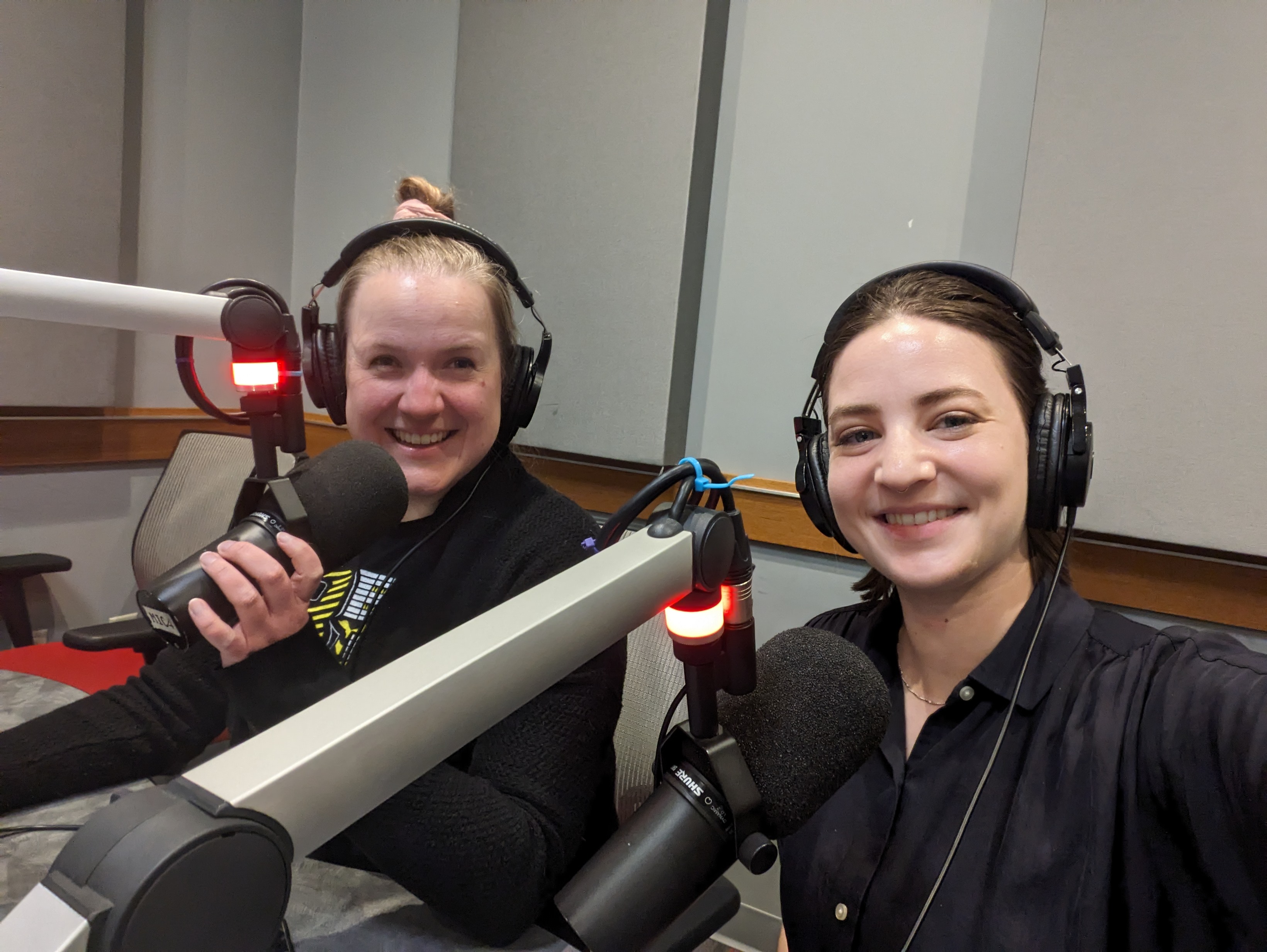
I was so excited to be a guest speaker on Michelle Stuart’s Another Little Piece of My Art, Boston University wtburadio.org‘s signature program for all things art and culture. My session focused on controversies and censorship surrounding music album covers. You can listen to the recorded session below and access the Spotify playlist below.
I am pleased to co-organize, with Collen Foran, PhD Candidate, the 40th anniversary Boston University Graduate Symposium in the History of Art & Architecture—the first of its kind in the United States. We look forward to hosting two days of panels and a keynote address at the Museum of Fine Arts, Boston, on April 19 and 20th, 2024. The theme, “Inheritance,” invites papers from graduate students at all stages and from any area of study in the global history of art and architecture.
Earth Artists, Ancient Earthworks, and Land Reclamation Sculpture from 1965 to 1985
Belknap Park Aerial before and after construction of Robert Morris, Project X (1974) City of Grand Rapids Archives and Records Center, Michigan.
This dissertation applies critical race theory to the well-researched history of “earth art,” a sculptural style utilizing natural materials at monumental scale, to explore the social and political context in which American artists adopted ancient, Native, and Indigenous earthworks as a visual arts practice in the 1960s and 1970s. Through three case studies of “land reclamation sculptures,” or major public commissions of earth art that rehabilitated industrial wasteland into public parks and works of art in the 1970s and 1980s, I situate the sculptures of Robert Smithson, Robert Morris, and Michael Heizer at the intersection of American national identity and landscape, environmental concerns and policy, and perception of Native people in popular culture. The convergence of federal public arts patronage, cultural shifts towards environmentalism, and mining waste management policies enabled suburban municipal agencies to commission the sculptures from established artists. The works’ longevity as interdisciplinary solutions to growing industrial wasteland in suburban communities constitutes significant achievements in the history of twentieth-century sculpture and public support for the arts, hile also attesting to the ongoing contributions of Native and Indigenous earthworks to the development of American visual art and identity in the twentieth century.
Despite the positive impacts of these projects, I contend that land reclamation sculptures, and the historic style of “earth art” from which they developed, generate meaning through adopting the materials and imagery of ancient “earthworks,” a term encompassing the mounds, terraces, dolmen, and petroglyphs constructed by pre-Columbian Native and Indigenous peoples across the Americas. In the eighteenth century, earthworks not yet lost to colonial expansion became a target of inquiry for early American explorers and archaeologists, who theorized that these structures came from a mythologized, prehistoric culture separate from living Natives. Published travelogues by writers from Thomas Jefferson to Theodore Roosevelt brought mass interest to earthworks, many of which were converted into state and federal historic parks to accommodate growing tourism to the American West.
John J. Egan; Marietta Ancient Fortification; A Grand View of Their Walls, Bastions, Ramparts, Fossa, With the Relics Therein Found, scene one from the Panorama of the Monumental Grandeur of the Mississippi Valley, c.1850; distemper on cotton muslin; Saint Louis Art Museum.
My research demonstrates that, like most Americans in 1960s to the 1980s, earth artists and their viewers understood ancient earthworks culture through a mix of early American travelgoues and mythologies, contemporary heritage tourism to reservations and ruins, and popular stereotypes of the at-one-with-nature Native. In the same period, Red Renaissance cultural and Red Power political activism brought renewed national attention to Native struggles against termination policies and primitivist stereotypes. In self-consciously designing land reclamation sculptures in the image of ancient earthworks, the artists sought to legitimize their projects with ecological stereotypes of Native culture and notions of national heritage.
Chapter one reframes Robert Smithson’s artistic practice, often interpreted as spanning themes across deep time and geography, as entwined with American cultural tourism to Arizona and Utah in the 1960s and 1970s. Newly analyzed elements of his archive elucidate his travels to view Pueblo architecture, Hopi dance performances, and Ute petroglyphs in connection with his sculptures. Although Smithson’s adoption of ancient earthworks was rooted in genuine respect for and belief in the power of Native and Indigenous cultural forms, his sculptures manifested complex attitudes, shared by much of the white imaginary of his time period, towards Native peoples. Smithson’s tourism is considered as re-enactments of settler colonialism’s longstanding tradition of Western exploration and travelogue—a tradition that lives on in the countercultural novels, family vacations, and national parks informing the American identity. This dissertation positions Smithson’s engagement with Native American culture as historically constructed and socially informed, which in turn enhances understandings of his earthen sculptures as informed by a specific, constructed idea of the American West. At first theoretical and then practical, Smithson’s arguments for the application of earth art as environmental repair, and productive potential of historic earthwork imagery, occurred in response to efforts to source public and private patronage.
Although Morris fundamentally disagreed with Smithson that “art could reclaim wasted sites,” he was inspired by Smithson’s unfinished land reclamation projects. In Grand Rapids, Michigan, Morris designed Project X (1974) to stabilize a deteriorating reservoir hillside with a crossing walkway transposed from an X-shaped geoglyph built by the Nazca people in Peru, which he had traveled to see the previous year. The Women’s Committee of the Grand Rapids Art Museum coordinated private contractors, city departments, and a federal Art in Public Places grant to successfully transform the degraded municipal land into green public space.
Robert Morris, Untitled (Johnson Pit Mine #30) (1979), SeaTac, Washington. Photograph by author (August 2023).
The King County Arts Commission of Washington state, combining funds from the National Endowment for the Arts with the new grants offered through the 1977 Surface Mining and Reclamation Act, commissioned Morris to stabilize an abandoned, landslide-prone gravel quarry within a Seattle suburb. The sunken, terraced bowl of Untitled (Johnson Pit Mine #30) (1979) evokes the stepped agricultural andenes engineered by Incan people in Peru to create a work that maintains the deleterious scar of pit mining. Even though public reaction reflected controversy in the use of public money to commission land reclamation sculpture, the U.S. Bureau of Mines published an extensive report summarizing the project as a positive solution to transforming other strip mines. In the forty-five years since its completion, an attached-unit housing development has surrounded the four-acre Untitled (Johnson Pit Mine #30), increasing the importance of its open space and rainwater management to its community.
Chapter three turns to the largest land reclamation sculpture. Michael Heizer’s Effigy Tumuli (1983–1985) terraformed a 120-acre coal mine in Central Illinois into five animal effigies: a frog, a catfish, a turtle, a snake, and a water strider. Heizer, the son and field assistant of eminent Mesoamerican archaeologist Robert F. Heizer, combined the trapezoid forms of the nearby Cahokia earthwork city, named a National Historic Landmark in 1966, with imagery from petroglyphs he saw in the White River Narrows, Nevada. Illustrating the underinformed yet pervasive perception that Indigenous earthworks are abandoned, Heizer stated that the project was his “chance to make a statement for the Native American.” Effigy Tumuli was the last completed land reclamation sculpture before reductions in public arts funding and environmental policy foreclosed opportunities for future projects.
Schematic aerial view of Michael Heizer, Effigy Tumuli (1983–1985). Visitor guide to Buffalo Rock State Park, Illinois (ca. 2015)Michael Heizer, Effigy Tumuli (1983-1985), Illinois (Photograph by Author, August 2023)
In response to the unique commissions afforded by national attention to industrial overburden—and in spite of personal convictions or ambivalence towards the use of sculpture for environmental repair—earth artists Smithson, Morris, and Heizer developed a particular model for land reclamation sculpture emerging from both sincere and superficial engagement with Native culture. This dissertation’s discussion of the popular perception of historic earthworks references a broad array of archives, media, interviews, biographies, and fiction to model an interdisciplinary application of critical race theory to postmodern sculpture. In the 1960s and 1970s, Indigenous earthworks, long present in national mythologies and newly accessible through paved highways, offered American sculptors an ecological and universal, yet distinctly American, symbol—an employable model for artists designing public sculpture for small communities. All free to the public today, the land reclamation sculptures illustrate the potential of interdisciplinary public art to offer both aesthetic experience and community space, while attesting to the historic importance of Native and Indigenous earthworks to the development of American visual art and identity in the twentieth century.
I apply critical race theory to the earth artists’ biographies, archives, projects, and statements to assess how they culturally perceived Indigenous people and earthworks. Heeding suggestions in Linda Tuhiwai Smith’s methodological guidebook for historians working with Indigenous material, I acknowledge my positionality as a white historian and prioritize Native voices, like Chadwick Allen and Katrina M. Phillips, for their key insights into the function and legacy of earthworks. I welcome feedback and commentary about this project. Please get in touch with me via my contact page.
History of Art & Architecture Boston University November 11, 2022 – November 12, 2022
It has been my pleasure to be the lead organizer for the African American Art History: Present Coordinates symposium. In winter 2021, I wrote a grant application to the Emerging Scholars Program, an provost-level initiative to bring embodied diversity to the Boston University campus. I next developed the call for papers and programming targeted at advanced doctoral students in the fields of African American art history, architecture, and material culture. Melanee Harvey, PhD, Associate Professor of Art History, Chadwick A. Boseman College of Fine Arts, Howard University, gave a keynote lecture that was introduced by Dr. Patricia Hills, Professor Emerita, American & African American Art, Boston University.
The successful weekend brought renewed recognition to Boston University’s longstanding excellence in African American art historical scholarship.
For four volumes, I served as an editor on the board of SEQUITUR, an open-access scholarly art and architectural history journal housed within the Boston University Department of History of Art & Architecture. SEQUITUR has semiannually published exhibition and book reviews, research spotlights, artist interviews, and scholarly essays since 2014. The journal features work of graduate students of art, architecture, art history, and affiliated fields from at all universities. The issues I have worked on are linked below.
Birmingham Museum of Art Birmingham, Alabama September 8, 2018 – November 18, 2019
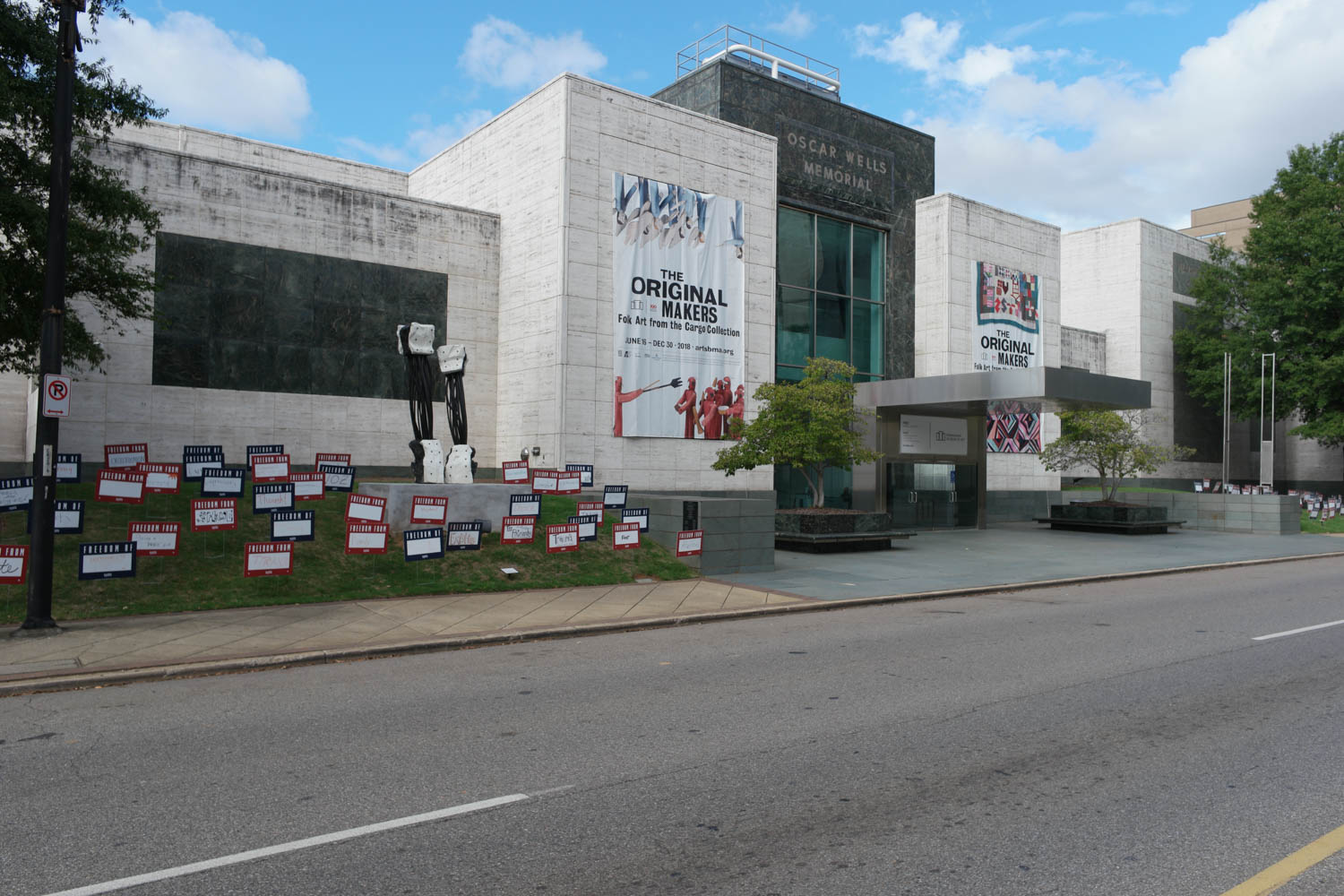
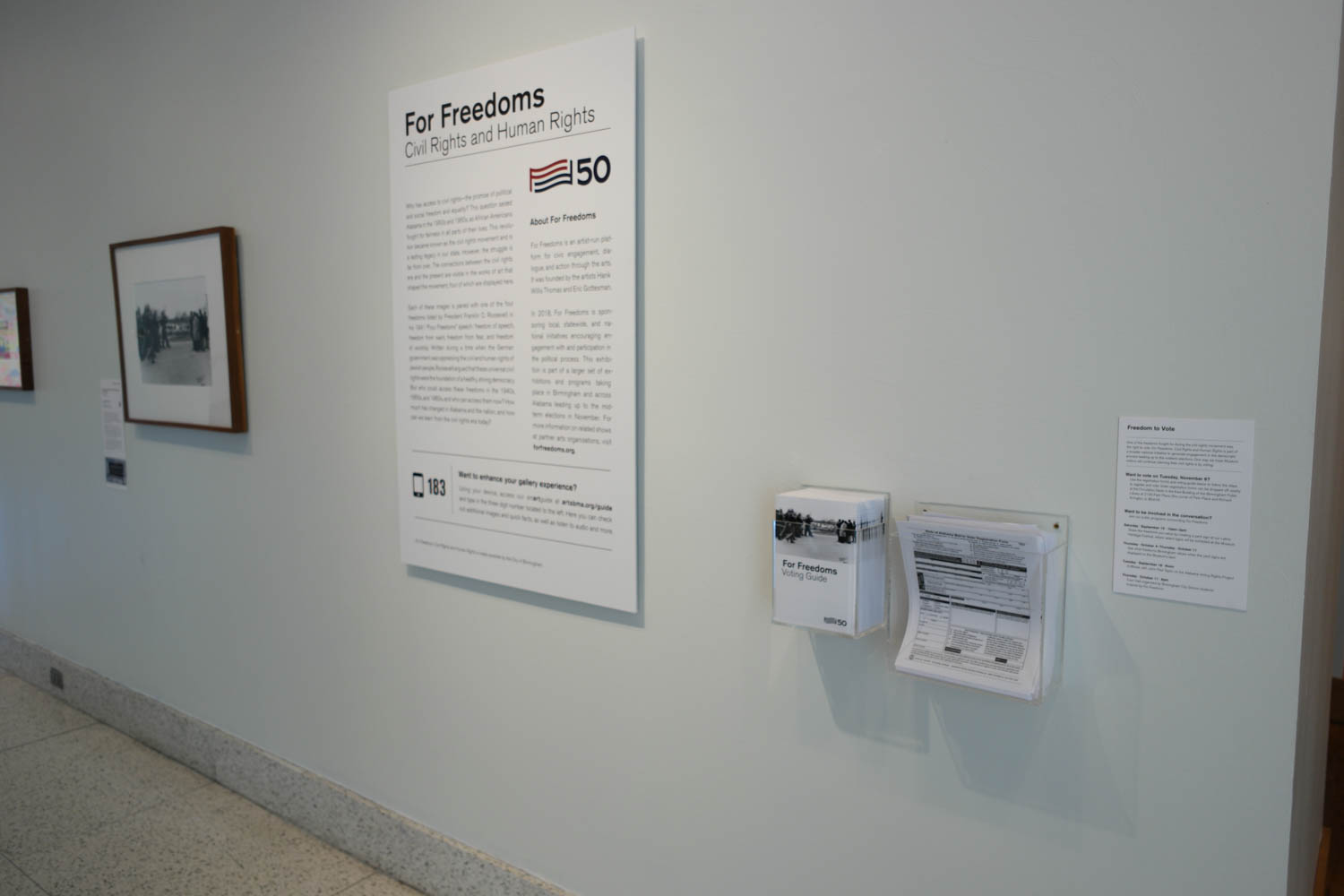
Who has access to civil rights—the promise of political and social freedom and equality? This question seized Alabama in the 1950s and 1960s, as African Americans fought for fairness in all parts of their lives. This revolution became known as the civil rights movement and is a lasting legacy in our state. However, the struggle is far from over. The connections between the civil rights era and the present are visible in the works of art that shaped the movement, four of which are displayed here.
Each of these images is paired with one of the four freedoms listed by President Franklin D. Roosevelt in his 1941 “Four Freedoms” speech: freedom of speech, freedom from want, freedom from fear, and freedom of worship. Written during a time when the German government was oppressing the civil and human rights of Jewish people, Roosevelt argued that these universal civil rights were the foundation of a healthy, strong democracy. But who could access these freedoms in the 1940s, 1950s, and 1960s, and who can access them now? How much has changed in Alabama and the nation, and how can we learn from the civil rights era today?
About For Freedoms
For Freedoms is an artist-run platform for civic engagement, dialogue, and action through the arts. It was founded by the artists Hank Willis Thomas and Eric Gottesman. In 2018, For Freedoms is sponsoring local, statewide, and national initiatives encouraging engagement with and participation in the political process. This exhibition is part of a larger set of exhibitions and programs taking place in Birmingham and across Alabama leading up to the midterm elections in November. For more information on related shows at partner arts organizations, visit forfreedoms.org.
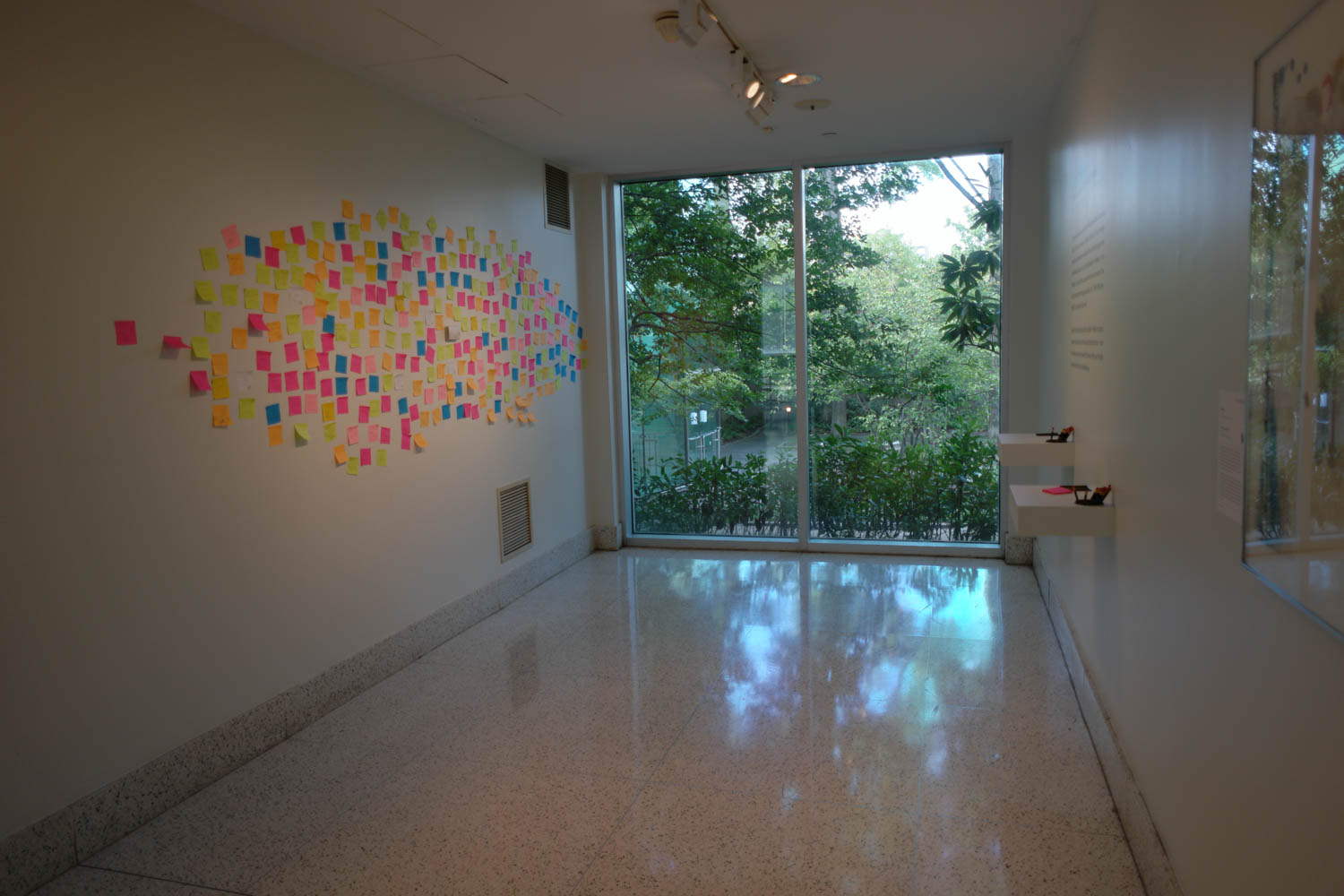
For Freedoms: Human Rights and Civil Rights; Birmingham Museum of Art, Birmingham, Alabama; September 8, 2018 – November 18, 2019For Freedoms: Human Rights and Civil Rights; Birmingham Museum of Art, Birmingham, Alabama; September 8, 2018 – November 18, 2019For Freedoms: Human Rights and Civil Rights; Birmingham Museum of Art, Birmingham, Alabama; September 8, 2018 – November 18, 2019For Freedoms: Human Rights and Civil Rights; Birmingham Museum of Art, Birmingham, Alabama; September 8, 2018 – November 18, 2019For Freedoms: Human Rights and Civil Rights; Birmingham Museum of Art, Birmingham, Alabama; September 8, 2018 – November 18, 2019For Freedoms: Human Rights and Civil Rights; Birmingham Museum of Art, Birmingham, Alabama; September 8, 2018 – November 18, 2019
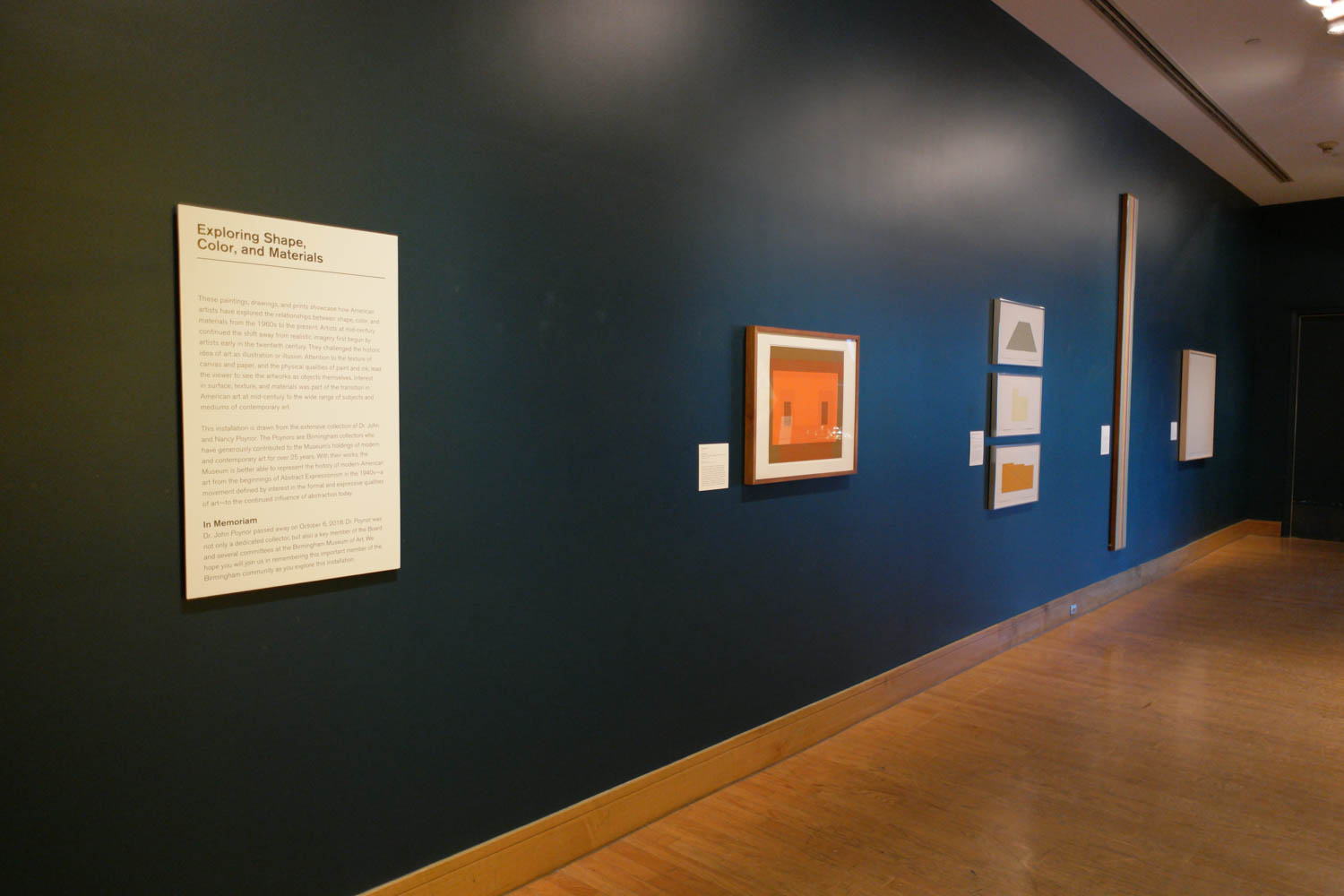
Birmingham Museum of Art Birmingham, Alabama November 2018 – August 2019
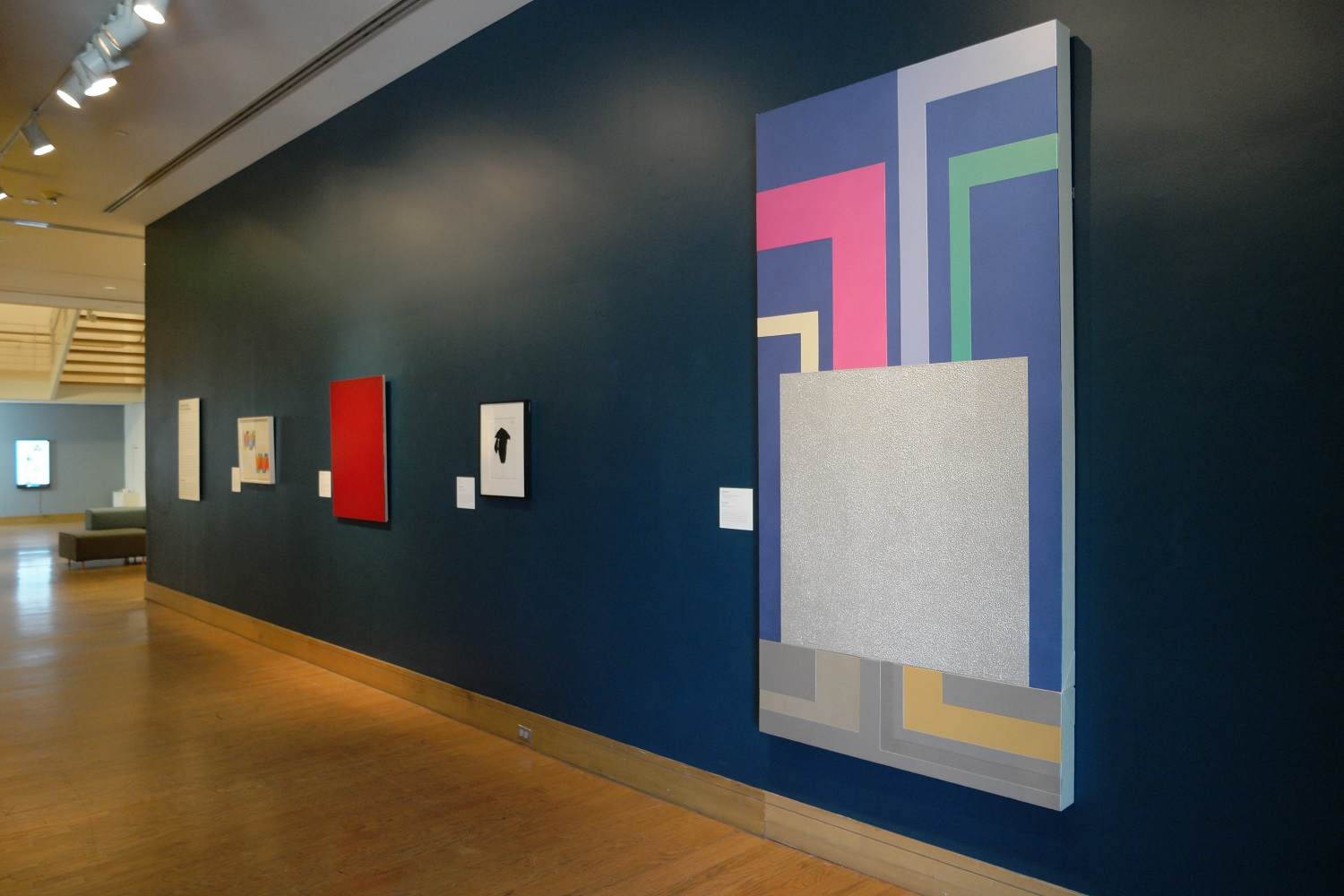
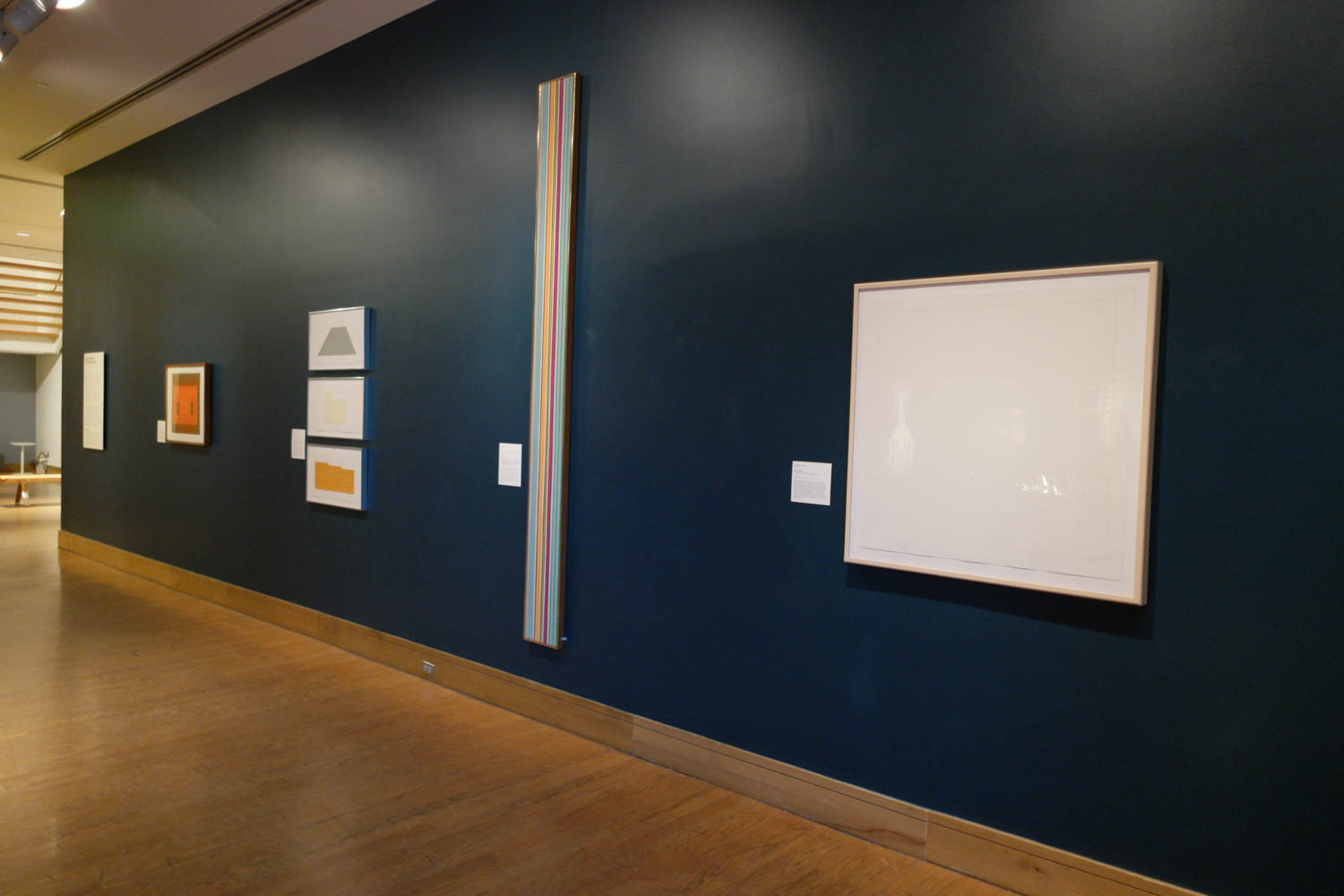
Two installations from a major promised gift to the institution in celebration of the donor and the expanding scope of the American collection. These rotations illustrate how American artists used medium specificity and abstraction at mid-century to transition from stylization in the early-twentieth century to the pluralism of subjects and materials in twenty-first century art.
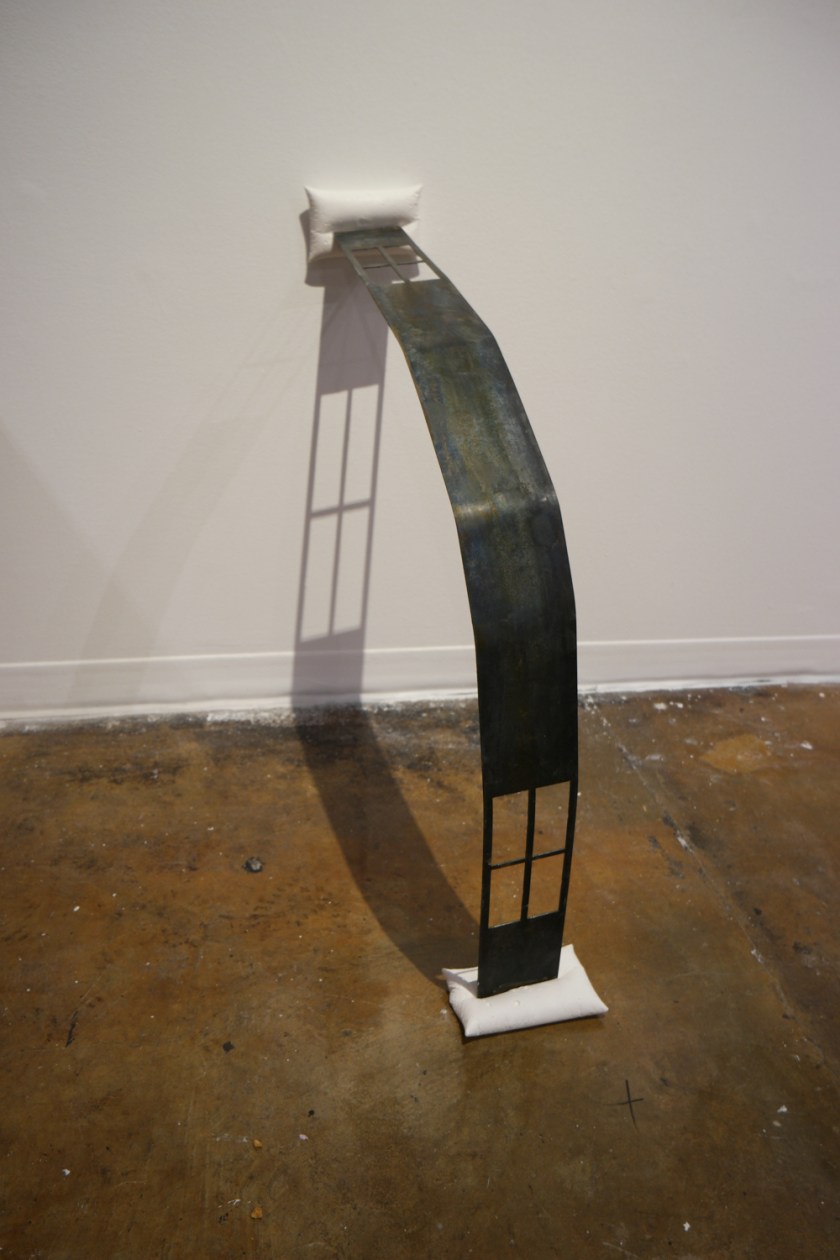
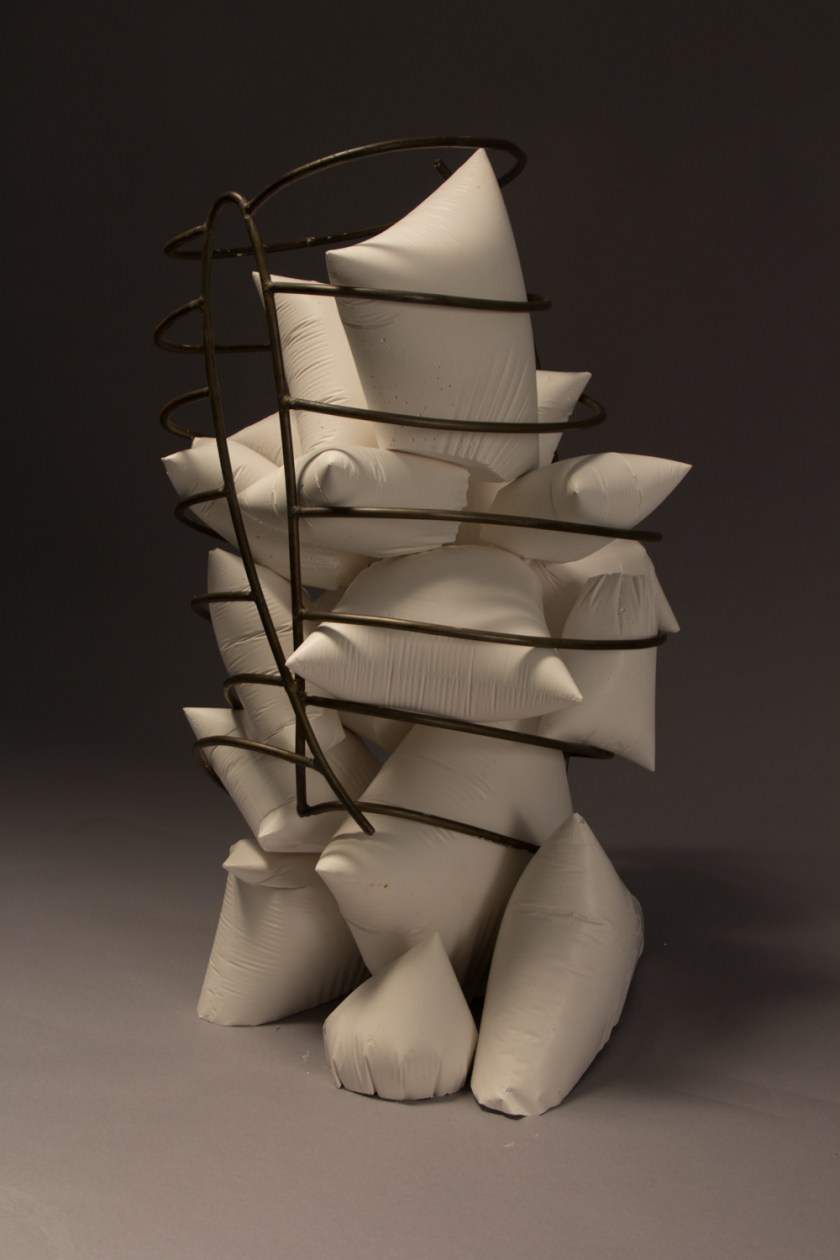
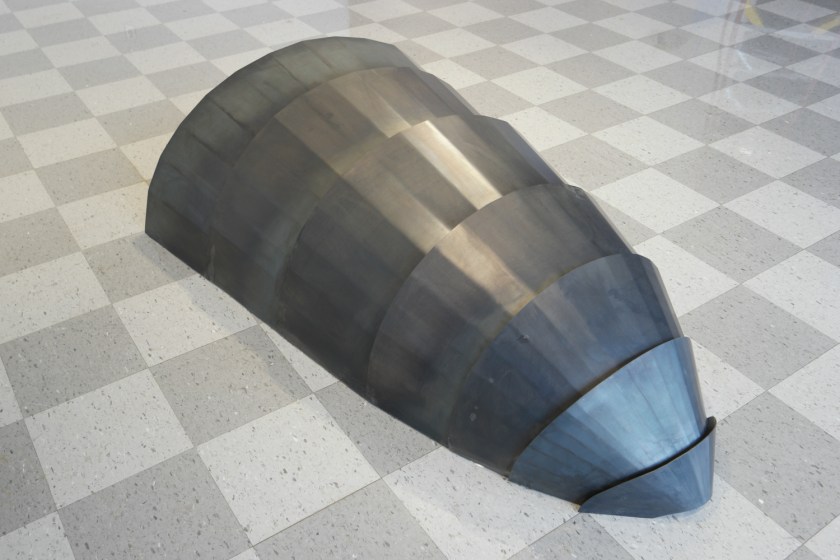
121 PopUp Gallery Montgomery, Alabama September 14, 2017 – October 16, 2017
Approximate Knowledge explores the ways in which surroundings affect individuals and perception. Many of these works visualize the tension originating from common domestic situations and the subsequent corporeal reactions from individuals. Juxtapositions between the inflexible and the malleable represent the stress inherent to fast-paced, high-stakes contemporary living. Architectural elements, precariously balanced, reveal the tenuous separation between public and private life as increasing pressure breaks down carefully constructed social barriers and boundaries. Abstracted representations of the human form refer to the degradation of the physical body in response to internalized psychological stress.
You must be logged in to post a comment.