
Priorities
– gender studies and critical race theory
– transferrable writing skills
– student appreciation for the multiplicity of human expression
Courses

ART100: Object & Ideas: A Museum History of Art
Introduces the history of art based on the world-class museum collections in the Boston area. Introduces Ancient Egyptian, Asian, Islamic, Native and South American art, as well as European art. Includes class discussion and weekly field trips to museums including the Museum of Fine Arts, and the Isabella Stewart Gardner Museum.
Simmons University, Boston, MA
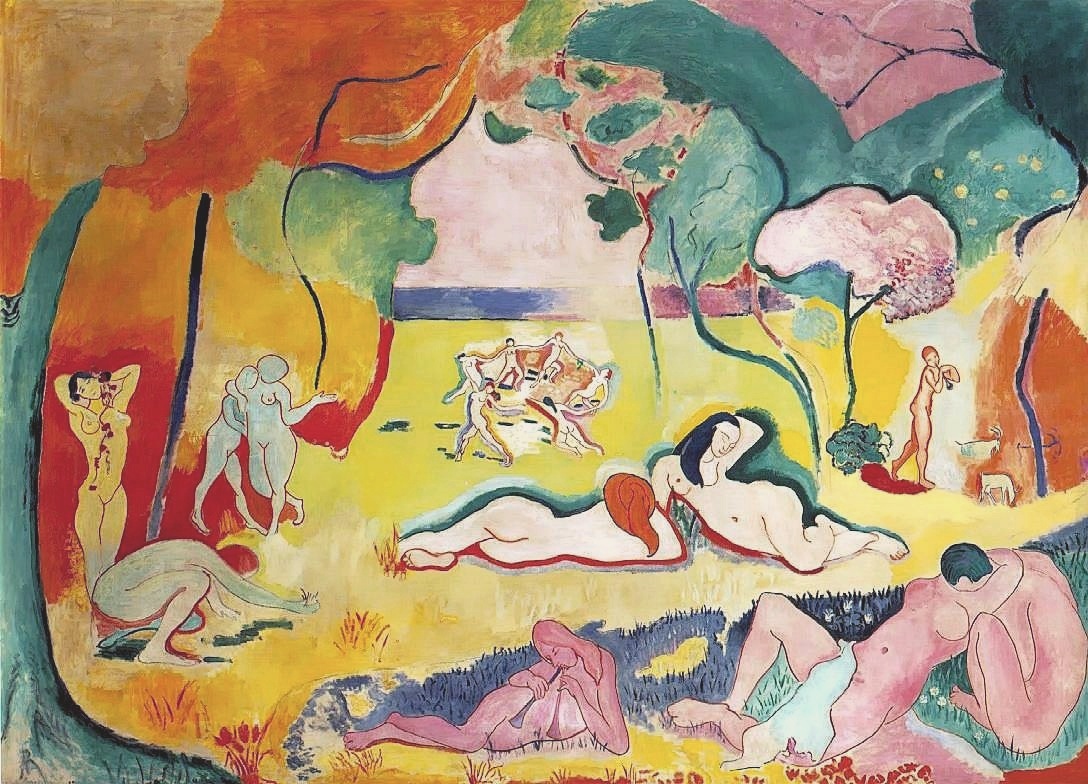
ARH102: Survey: Renaissance Art to Today
Surveys the art of Europe and America from the Renaissance to the present. Considers works of painting and sculpture, from periods and movements such as the Renaissance, the Baroque, the Rococo, Neoclassicism, Romanticism, Impressionism, Abstract Expressionism, and Feminism in their historical contexts. Introduces students to formal analysis, iconography, and critical thinking.
Suffolk University, Boston, MA
(as ART142: Baroque to the 20th Century) Simmons University, Boston, MA
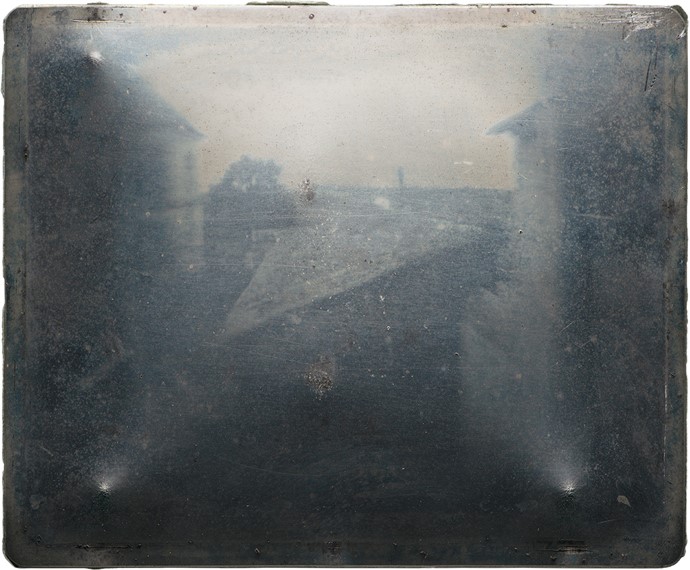
AH210: Learning To See
Learning to See strengthens the ability to analyze and describe the visual world. Topics range from visual fundamentals such as color and composition to the design of advertisements, propaganda, appliances, and the built environment. A lab component with hands-on projects provides opportunities for direct engagement with objects and images.
Boston University, Boston, MA
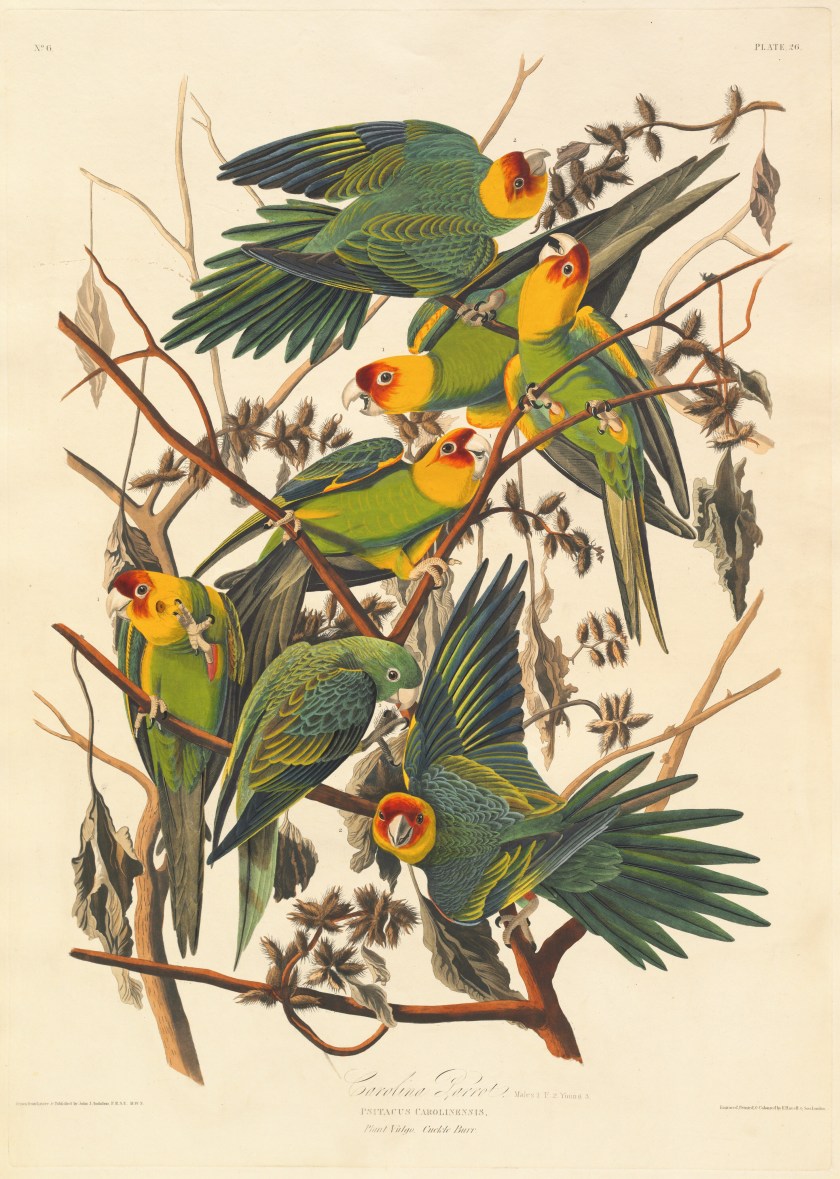
ART243: Nineteenth-Century Art
Instructor’s description: This course explores how the critical tensions between history and innovation in the visual arts of the nineteenth century reflect global changes in political power and social structures amid new international exchange. We trace the gendered economy in which academies and their patrons formed and supported the hegemonic European genres of history, portraiture, and landscape, which were then challenged by artists producing in contexts of colonialism, war, and itineracy. Particular attention is paid to depictions of and by people of enslaved, Indigenous, Latin, and Middle Eastern identities, with primary sources utilized as a critical method for framing historic protagonists’ agency and worldviews.
Simmons University, Boston, MA

ART244: Twentieth-Century Art
Why did art change so radically at the beginning of the 20th century? This course explores the development of multiple ways in which artists created new approaches to art by considering artists’ responses to significant social, political, scientific, and technological changes of the period. Includes Latin American, African American, European, and American artists.
Simmons University, Boston, MA
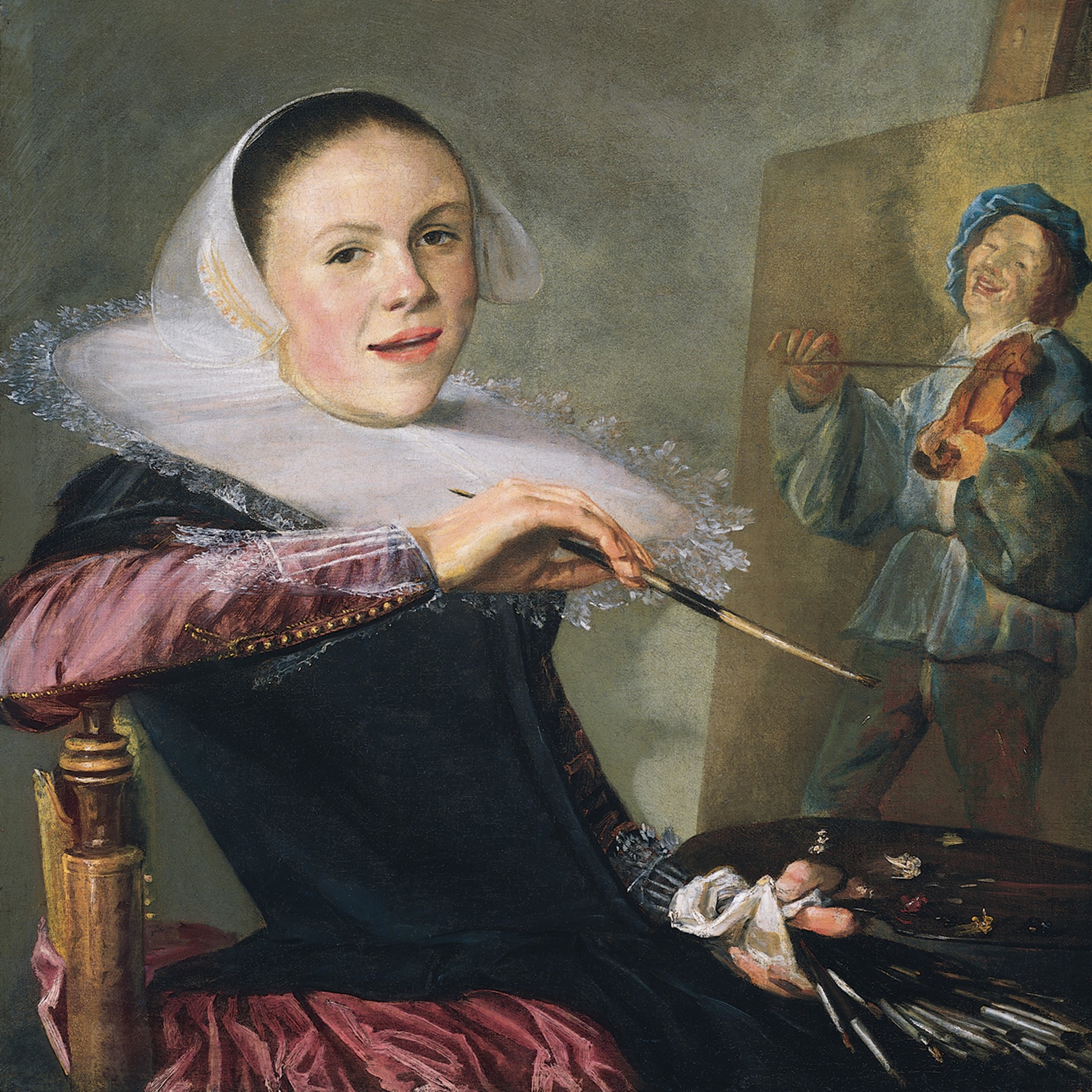
ART248: Gender and Art
Feminism, both a methodology and socio-political movement, is one of the most influential frameworks for art historical theory and practice today. Students learn the visual vocabulary and historical waypoints of the canonical history of women in the visual arts, becoming familiar major terms and concepts of women and gender studies. The class introduces icons and markers of gender binaries within visual culture across a variety of temporalities and geographies and explores how works of art subscribe to or reject historic gender norms. The first half of the course traces the difference between depictions of women and depictions by women from the sixteenth to the twentieth centuries, focusing on access to patronage, arts training, and public exhibitions. The midpoint of the semester turns to the enduring legacy of second wave feminism, gender studies, and intersectional and postcolonial methodologies.
Simmons University, Boston, MA
(as ARH321: Women, Art, and Society) Suffolk University, Boston, MA

AH393: Contemporary Art: 1980 to Now
This class explores the interconnected debates, people, objects, and places surrounding the production, display, and reception of visual art on a global scale since 1900. Contextualized within events of war, revolution, and technology, this history of art considers the ideological shift from modernism to postmodernism amid changes in access to arts education, new materials, and globalized travel. Questions of identity, geography, and canon are considered through the lenses of postcolonial and gender studies to explore the heterogeneity of twentieth-century art within major institutions and international biennials.
Boston University, Boston, MA
(as ART254: Contemporary Art) Simmons University, Boston, MA
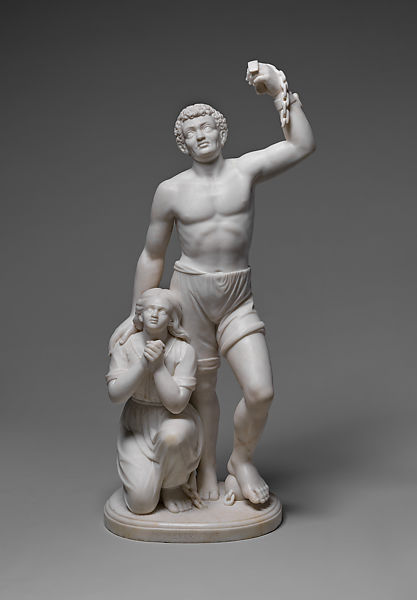
WR120: First-Year Writing Seminar: Public Art
Abbreviated course description: Topic-based seminar in critical reading and writing. Engagement with a variety of sources and practice in writing in a range of genres with particular attention to argumentation, prose style, and revision, informed by reflection and feedback, including individual conferences.
Instructor’s description: Works of art in outdoor accessible spaces exist at the intersection of community, identity, and history. In the second half of the twentieth century, the creation of federal and state funding programs, like the National Endowment for the Arts, raised questions about who selects visual art for a community, who is included in that community, and who pays for the work’s creation and maintenance. We explore newspaper articles, exhibition reviews, and artist statements surrounding controversial publicly funded exhibitions and sculptures, including new monuments raised in the city of Boston. Discussions focus on historic works relating to the American Civil War and more recent American artists such as Maya Lin, Robert Mapplethorpe, Hank Willis Thomas, and Kara Walker.
Boston University, Boston, MA

WR152: Writing, Research, & Inquiry + Digital/Multimedia Expression: African American Art History
Abbreviated course description: This class helps students cultivate writing and research skills through a range of assignments, including an academic research essay that involves identifying and refining a topic, devising research questions, and answering those questions by finding and using a range of scholarly and non-scholarly sources. Students further analyze different media and modes, such as podcasts, websites, and artwork, and remediate their academic writing into different forms for different audiences. Even as it will draw on the principles of traditional rhetoric, this is a course about the ways twenty-first century writers can communicate both ethically and effectively.
Instructor’s description: Since the eighteenth century, African American and Black artists have explored themes of identity, beauty, and justice through both personal and societal lenses, utilizing a variety of mediums from painting and photography to sculpture and ceramics. Considering shifts in representations of race and gender across American history, we research how and why artists of marginalized identities have responded to their lived experiences and greater cultural shifts brought by Emancipation, the Harlem Renaissance, the Civil Rights movement, Second Wave Feminism, and contemporary identity politics. Students of all backgrounds are welcome in this course.
Boston University, Boston, MA

WR152: Writing, Research, & Inquiry + Digital/Multimedia Expression: Native American Art History
Abbreviated course description: This class helps students cultivate writing and research skills through a range of assignments, including an academic research essay that involves identifying and refining a topic, devising research questions, and answering those questions by finding and using a range of scholarly and non-scholarly sources. Students further analyze different media and modes, such as podcasts, websites, and artwork, and remediate their academic writing into different forms for different audiences. Even as it will draw on the principles of traditional rhetoric, this is a course about the ways twenty-first century writers can communicate both ethically and effectively.
Instructor’s description: Since first contact, Native American artists have created both traditional arts and works that question settler colonialism, collective identity, and tribal sovereignty through both personal and structural perspectives, utilizing a variety of mediums from ceramics to performance, jewelry to painting. Considering contested representations of Native Americans within the American white imaginary, we research how artists of marginalized Indigenous identities respond to their lived experiences within colonialization, assimilation, self-determination, and contemporary identity politics. Students of all backgrounds are welcome in this course.
Boston University, Boston, MA
Pedagogical Training
– Graduate Certificate in Teaching Writing, Boston University Writign Program
– Inclusive Pedagogy Institute, Boston University Center for Teaching & Learning
– Primary Sources in the Classroom: Changing Status and Role of Women in American History, 1776–1920, Boston Athenæum
– Teaching & Learning in the Diverse Classroom, Cornell University X
– Training Seminar in Women’s and Gender History, Boston University
– Developing Awareness and Response Strategies, Boston University Diversity & Inclusion
 Shannon Bewley
You must be logged in to post a comment.