
Earth Artists, Ancient Earthworks, and Land Reclamation Sculpture from 1965 to 1985

This dissertation considers “land reclamation sculpture,” defined as earthen sculpture that rehabilitates industrial wastelands and abandoned mines into sites that function as both public parks and works of art. In the 1970s and 1980s, suburban municipal agencies commissioned such projects from three major American artists, Robert Smithson, Robert Morris, and Michael Heizer, at the convergence of public arts funding, tensions between land preservation and development, and the maturing of earth art as a historic style. In search of patronage amid changing land-use policies, the artists adopted a range of images associated with ancient, Native, and Indigenous earthworks, such as petroglyphs, effigy mounds, and monoliths, in proposed and realized land reclamation sculptures. Analyzing artists’ biographies, statements, and drawings, this dissertation situates tourism to these sites as re-enactments of longstanding traditions of exploration, excavation, and travelogue within American national identity. The artists’ engagement with ancient earthwork imagery is historically constructed and socially informed, emerging at the intersection of American national identity, archaeological history, popular and intellectual stereotypes, and a settler-colonial understanding of land use that often depended on limited knowledge of Native and Indigenous practices.
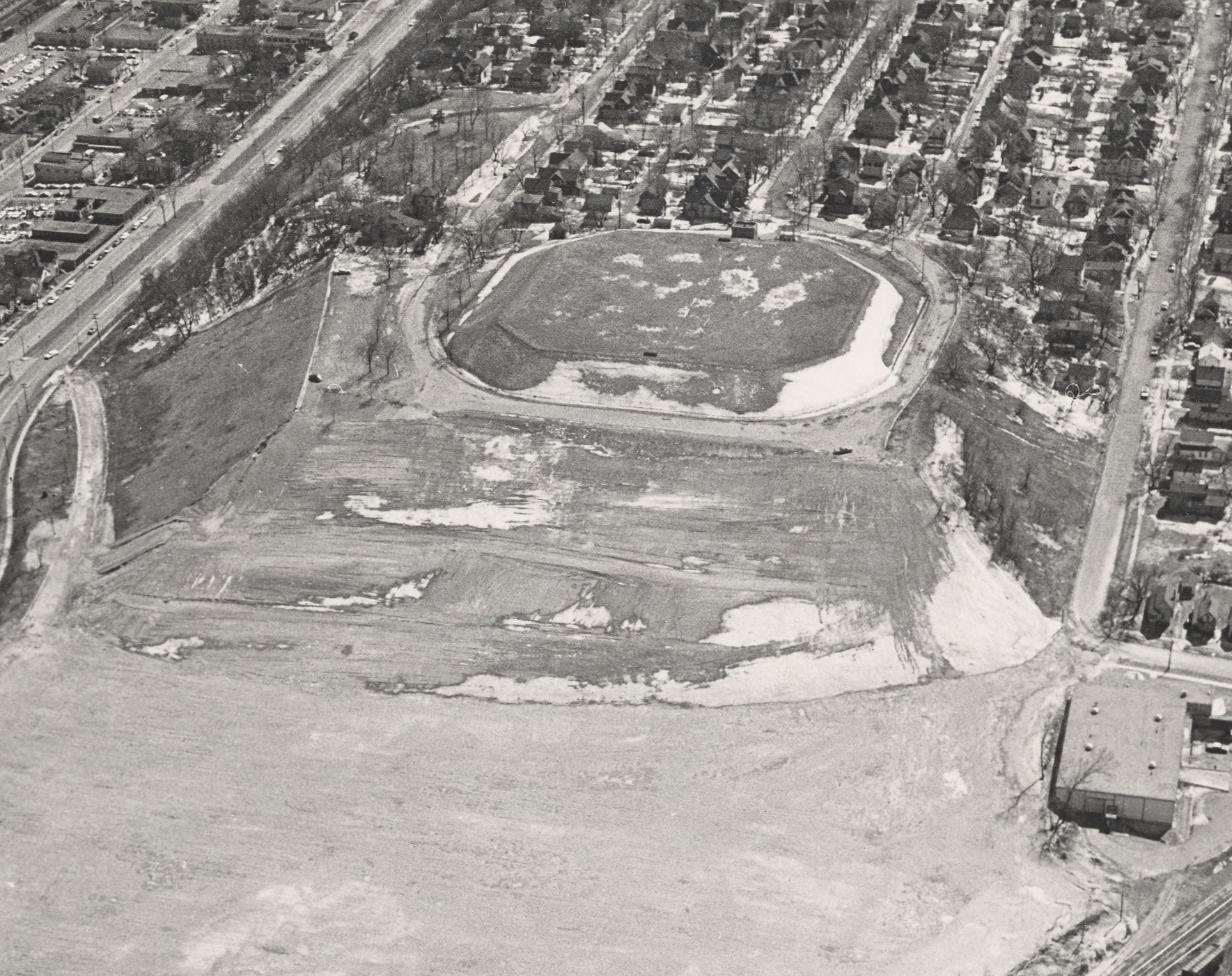
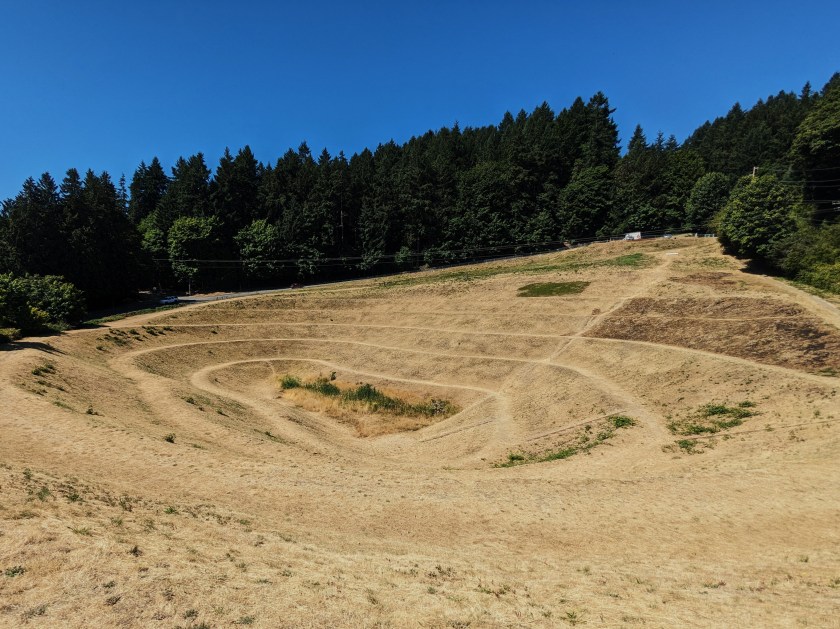
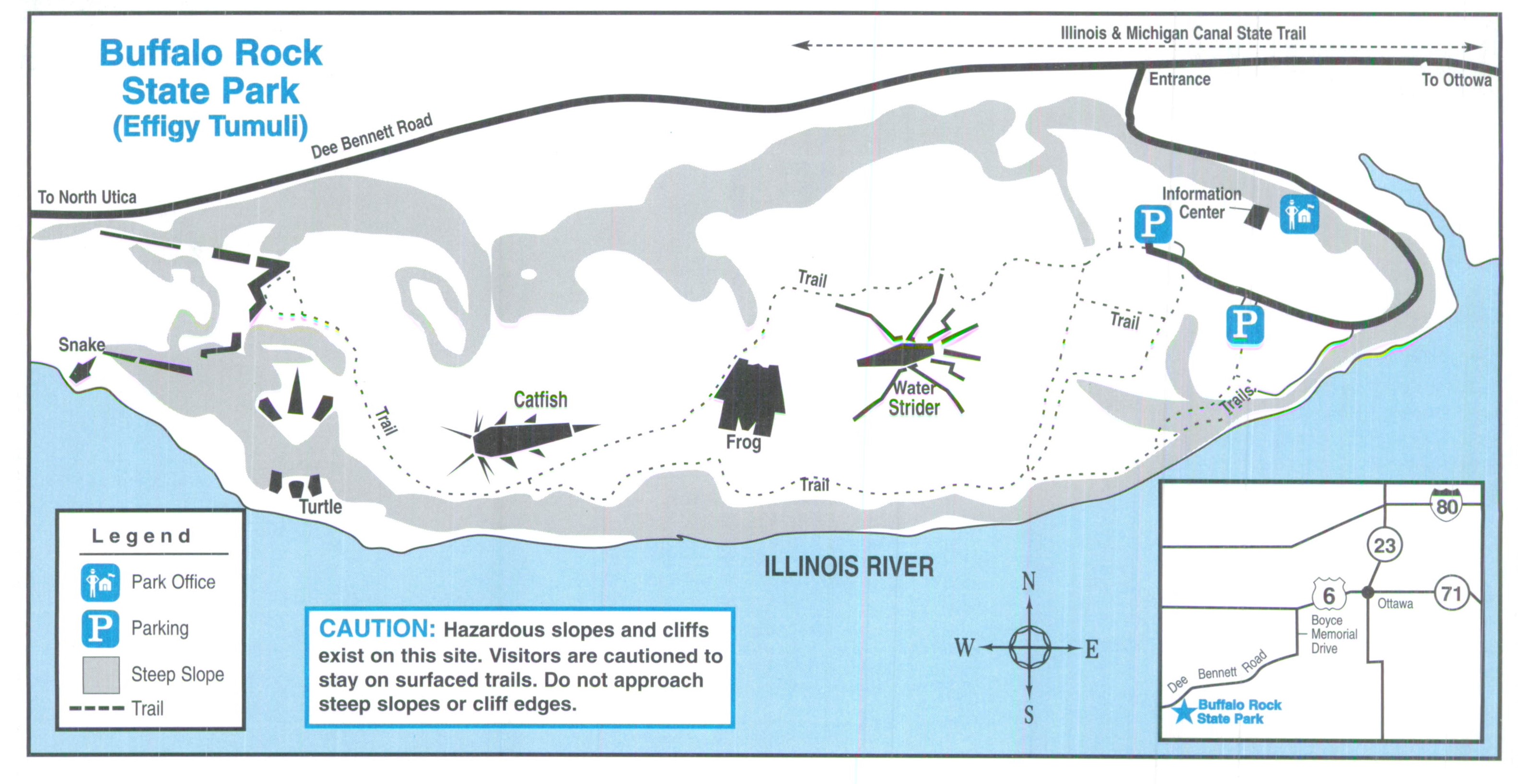
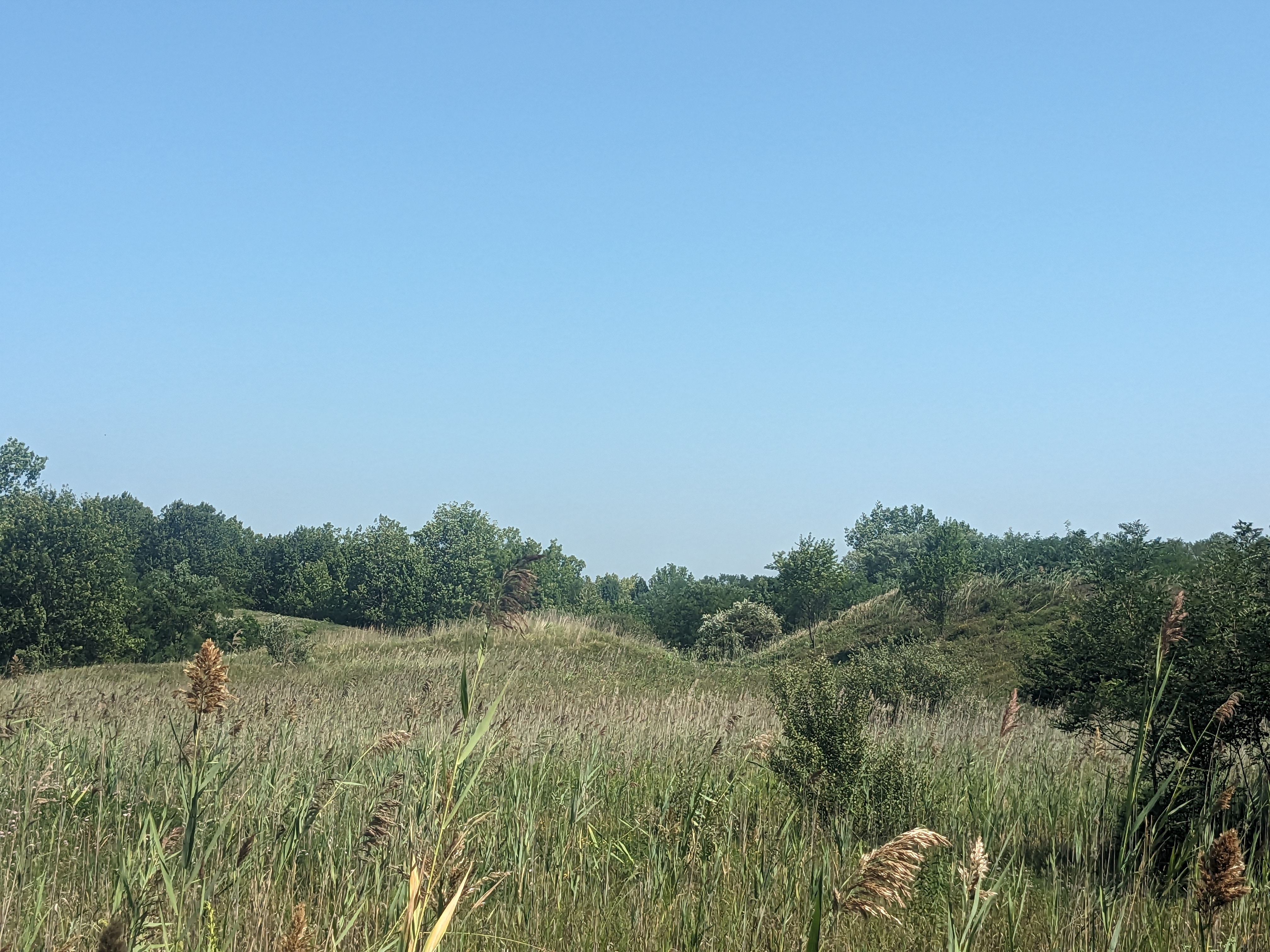
Chapter one situates Smithson’s sculpture practice as entwined with American tourism to Arizona, Utah, and the Yucatán in the 1960s and 1970s, and his proposed land reclamation sculpture as a bid to secure private and public patronage. Inspired by trips to Pueblo petroglyphs, Hopi performances, and Maya ruins, his unrealized proposals for major mining companies offered to aestheticize wastelands and improve the public image of resource extraction through the environmentally coded imagery of earthworks. Chapter two discusses Morris’s land reclamation sculptures, which were made possible by changes in environmental policy and public arts grants: Untitled (Project X) in Grand Rapids, Michigan, completed in 1974, and Untitled (Johnson Pit Mine #30) in Seattle, Washington, completed in 1979. The geoglyphs in the Nazca Desert and the curved steps of the agricultural terraces in the Urubamba Valley emerge in his land reclamation sculptures as he adapted the theories of Ad Reinhardt and George Kubler, both of whom argued for the universality of prehistoric earthworks through expansive formalist comparisons. Chapter three discusses Michael Heizer’s Effigy Tumuli, built from 1983 to 1985 to transform an abandoned coal strip mine in Ottawa, Illinois, into five monumental animal effigies. The artist assisted his father, the archaeologist Robert F. Heizer, in the documentation of Olmec ruins in Mexico and Blythe geoglyphs in California. In Effigy Tumuli, the artist mobilized effigy mounds through the authority of archaeology, treating ancient earthworks as extinct and available sculptural language.
While the earth artists respected ancient earthworks, their quotation of burial mounds, effigies, and ruins reflects settler-colonial frameworks of site and land use rather than the perspectives of their creators or their descendants. Recognizing that limitation is essential to understanding both the promise and the problem of land reclamation sculpture. The land reclamation sculptures, all accessible to the public today, illustrate the potential of interdisciplinary public art to offer both aesthetic experience and community space while attesting to the importance of earthworks to the development of American visual art and national identity.
I apply critical race theory to the earth artists’ biographies, archives, projects, and statements to assess how they culturally perceived Indigenous people and earthworks. Heeding suggestions in Linda Tuhiwai Smith’s methodological guidebook for historians working with Indigenous material, I acknowledge my positionality as a white historian and prioritize Native voices, like Chadwick Allen and Katrina M. Phillips, for their key insights into the function and legacy of earthworks. I welcome feedback and commentary about this project. Please get in touch with me via my contact page.


You must be logged in to post a comment.